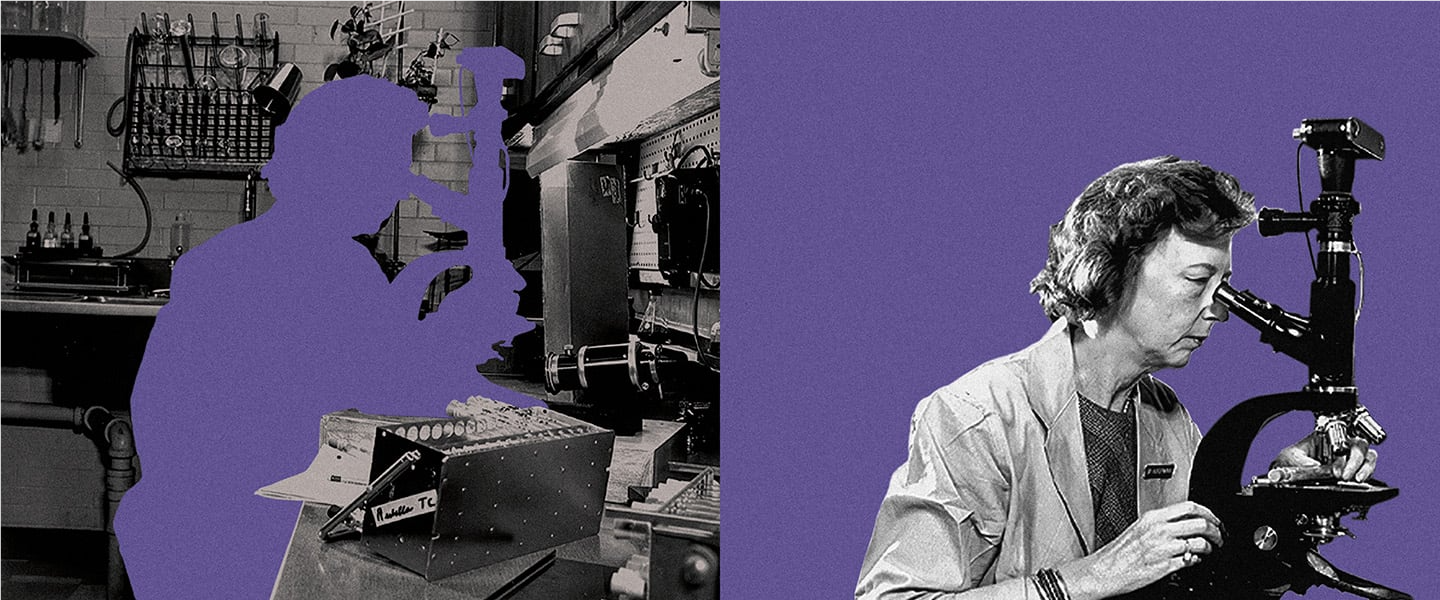
“For one often catches a glimpse of them in the lives of
the great, whisking away into the background, concealing,
I sometimes think, a wink, a laugh, perhaps a tear.”
—Virginia Woolf
In the spring of 1944, even as a world war raged in Europe and Asia, a silent and unseen assailant crept into North Carolina’s Catawba County. Its first reported victim was a 17-month-old blond girl from Hickory named Linda Kiser. After falling ill in early June, the girl had been rushed to the hospital in nearby Charlotte by the county’s public health nurse.
On 7 June, a front-page headline in the Hickory Daily Record announced the dire diagnosis: POSSIBLE POLIO CASE TREATED.
It was in fact polio, and little Linda would not be the last case. In the weeks that followed, the illness spread from Catawba into neighboring counties, and children showing symptoms of polio inundated Charlotte Memorial Hospital and the North Carolina Orthopedic Hospital in Gastonia.
A coalition comprising medical caregivers, skilled craftsmen, community members, and even prison work gangs sprang into action. On 21 June, a children’s summer health camp on Lake Hickory was evacuated, and its sole stone building was augmented by tents and hastily constructed buildings. A U.S. Army hospital donated dozens of cots and mattresses, and over three days, the Catawba County Health Camp was transformed into the Hickory Emergency Infantile Paralysis Hospital, accepting its first patients on 24 June.
Click the link below to discover her remarkable journey and view the pictures that help bring her story to life!

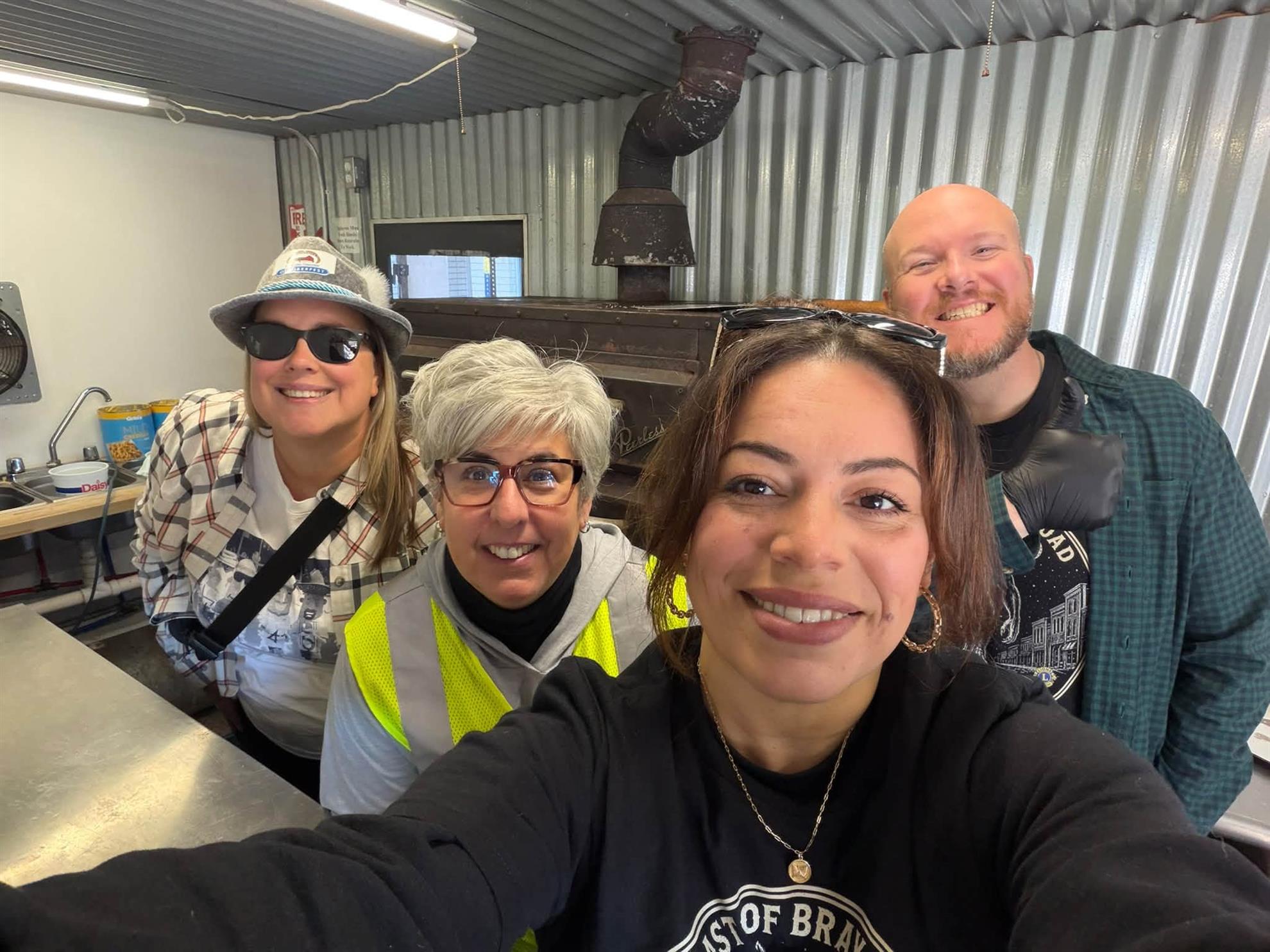
 Pretzels with a Purpose: Oktoberfest Success!